
Where Vascular
Biology Meets
Engineering.
Elastrin’s work is grounded in decades of research across elastin biology, vascular inflammation, nanotechnology, and translational medicine.
Elastrin addresses the structural breakdown that defines aging, cardiovascular failure, and loss of biological resilience.
Cardiovascular disease and age-related decline share a common root cause - progressive loss of elasticity driven by elastin damage and calcification throughout the vascular system. Most current care manages symptoms or downstream events after damage occurs. It never intervenes to reverse calcification or restore elastin's integrity.
Reaching Calcification Where Other Therapies Cannot.
Most therapies delivered into the bloodstream are rapidly washed out before reaching the vessel wall, too aggressive an environment for effective localized action. Elastrin's approach is different: by accessing the vessel wall through the surrounding microvessels (the vasa vasorum). The therapy reaches the site of calcification directly, avoiding systemic washout and concentrating its effect where it is needed most.
This outside-in delivery is the critical difference. It improves efficacy and reduces risk across a range of conditions where calcification is the central driver.
The mechanism
Precision Targeting from Outside In
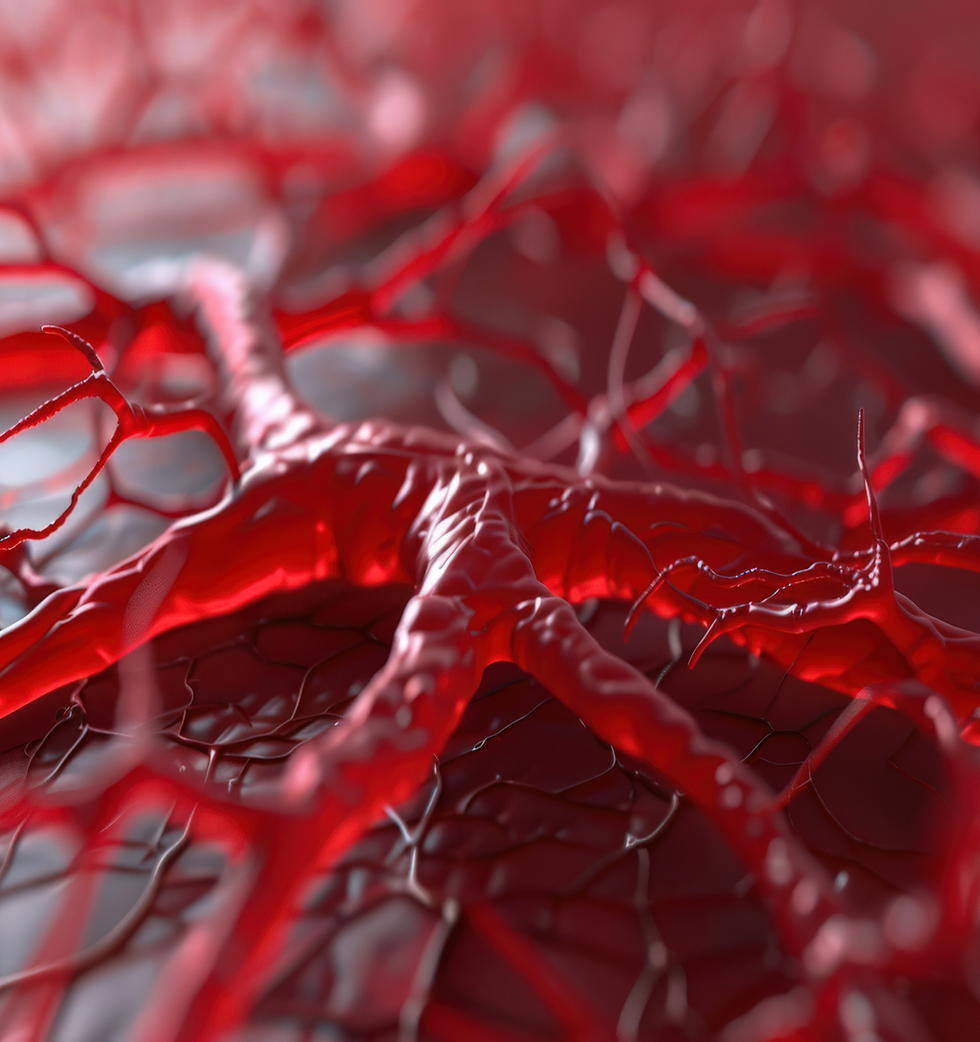
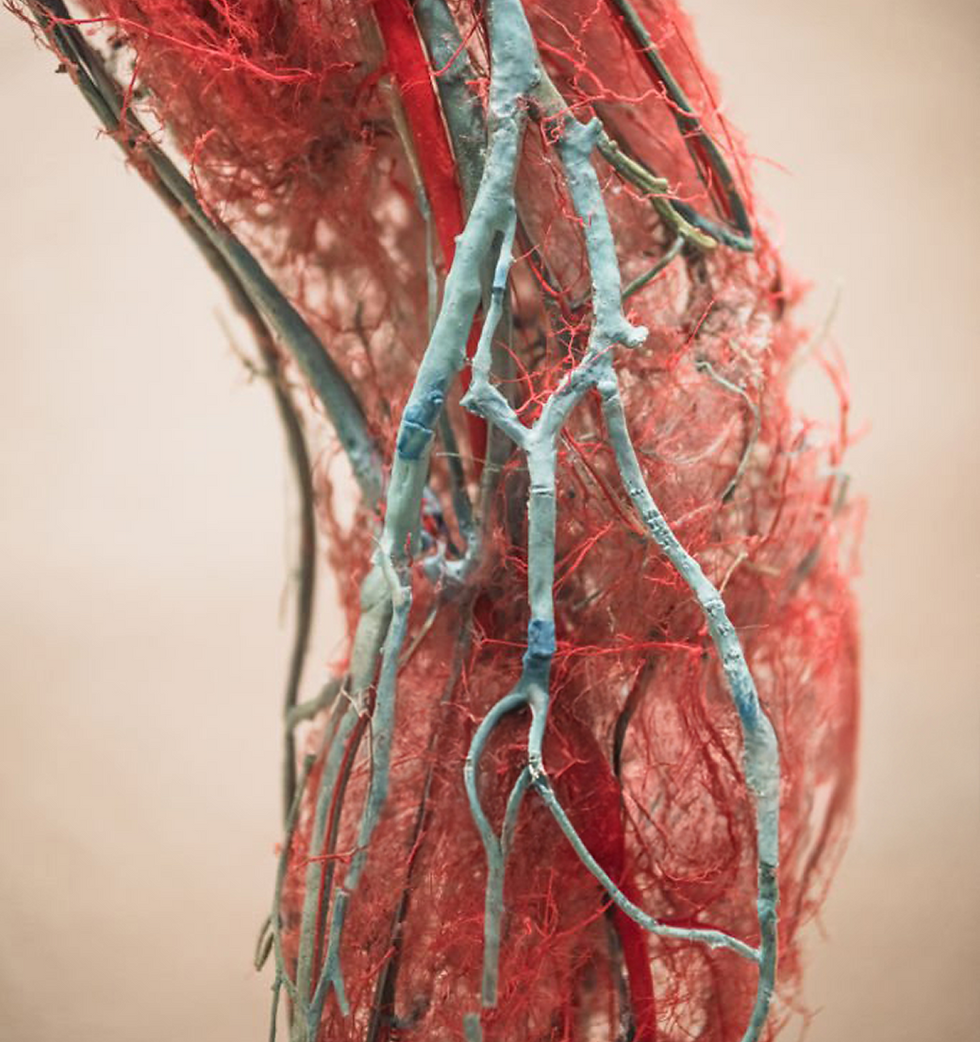

Why elastin is important.
Arterial calcification is a major risk factor that leads to and complicates many cardiovascular conditions. It results from the deposition of calcium phosphate crystals in artery walls, often triggered by damage to elastin.
Elastin is a vital protein that provides elasticity to arteries. As elastin degrades, calcification and chronic inflammation accelerate, causing arteries to stiffen and lose their flexibility.
Targeting calcification at the site of damaged elastin is key to restoring vascular function.
Chronic Kidney Disease (CKD)
Vascular calcification accelerates kidney decline and cardiovascular risk.
Carotid Artery Calcification
Calcification of the carotid arteries contributes to plaque instability and increases the risk of stroke.
Renal Artery Calcification (RAC)
Calcification of the arteries supplying the kidneys, contributing to hypertension and kidney dysfunction.
Generalized Arterial Calcification of Infancy (GACI)
Rare and life-threatening calcification in newborns.
Peripheral Artery Disease (PAD)
Calcification restricts blood flow to the limbs, leading to pain, ulcers, and amputation.
Coronary Artery Calcification (CAC)
Stiffening of coronary vessels increases risk of heart attack.
Monckeberg Medial Sclerosis (MMS)
Calcification of arterial media, common in diabetic patients.
Pseudoxanthoma Elasticum (PXE)
Rare genetic disorder causing progressive elastin calcification.
Valvular Heart Disease (VHD)
Calcification of heart valves restricts function and may require surgical replacement.
Conditions Addressed
Selected Publications
By Elastrin Scientists


Stay informed.
Receive updates on scientific milestones, partnerships, and company news.
Newsletter only. Unsubscribe at any time. Privacy Policy